Jess Parris Westbrook [they/them, T1D, MFA, PHD] postnormal social research > data-driven speculation > critical design > liberatory tech.
I study forces at play in identity dimensions, social landscapes, and learning scenarios. I use art, design, and mixed methods research to probe, negotiate, translate, and organize the joys and struggles of complexity, experience, information, understanding.
Philosophy: My ontology is postnormal complexity. My epistemology is transdisciplinarity. My axiology is creativity—and Queerness. My positionality describes my connection with a marginalized lived experience (as a non-binary, disabled, post-human AI-enabled person).
Identity Research Lab [IDRL]
Co-Founder/Director/Researcher
2024+
Launched in 2024, Identity Research Lab (IDRL) is a collaboration between Jess Westbrook and Coraline Ada Ehmke. The lab explores identity dimensions and experiences through transdisciplinary approaches integrating inclusive data practices, computational social science, critical design, and liberatory tech. IDRL research engages multiple theoretical frameworks—identity theory, social identity theory, narrative identity theory, and postnormal theory—to examine experience, presence, systems and power.
Current activity centers on operationalizing intersectionality through haptic qualitative data analysis (TMI-WEB) and advancing intersectional data science. IDRL originated during a DEI research fellowship. Select activity includes a talk at FOSDEM, an article under review with Sage Big Data & Society, and a paper/demo (focused on knowledge generation) at DRS 2026. Ongoing TMI-WEB development is supported by ORCA and the Chan Zuckerberg Initiative (Westbrook, PI).
Queering Futures Research Studio
Founder/Director/Creative
2021+
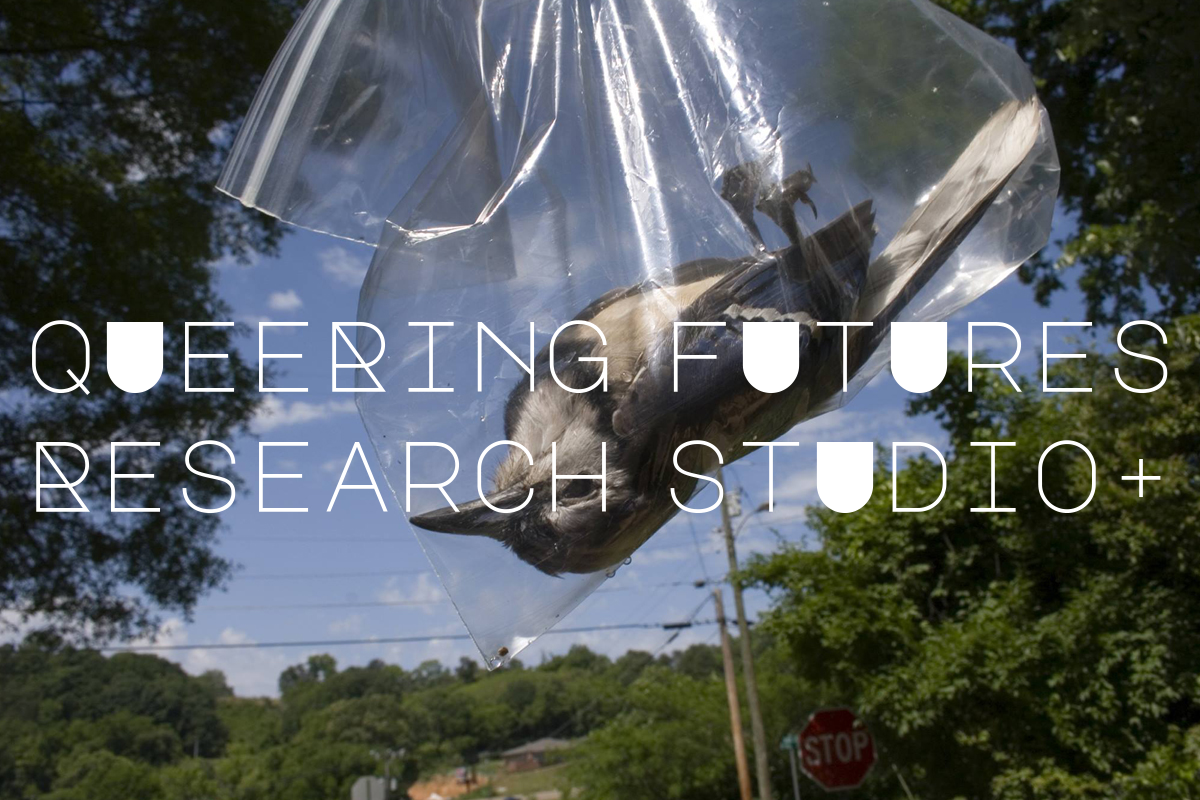
Launched in 2021, Queering Futures Research Studio explores postnormal realities and possibilities, and builds on my PhD dissertation work, Queering Futures with Data-Driven Speculation: the design of an expanded mixed methods research framework integrating quantitative, qualitative, and practice-based modes (2024).
Current activity includes scholarly, editorial, creative, and leadership contributions: authoring the chapter “Radical Imagination in Postnormal Times: Queer(ing) Data Analysis through Data-Driven Speculation” in the “Queering Data Analysis” section of the Bloomsbury Queering Research Methods Handbook; serving as Section Editor for “Queering Knowledge Production” in the same volume; creating I’m Out, a photo documentary series on they/them people; and co-convening the Queering Design Research Studio within the Design Research Society (DRS).
Recent activity includes the Queer Data Showcase at the University of Edinburgh Futures Institute; MethodsCon (UK); International Creative Research Methods Conference (UK); the AAAI/ACM Conference on Artificial Intelligence, Ethics, and Society; and the International Association of Societies of Design Research (IASDR) Congress on Life-Changing Design and Transformation Processes.
Divergent Design research lab
Co-Founder/Co-Director
2016-2021
Launched in 2016, sunsetted in 2021, Divergent Design Lab (DDL) was a collaboration between Jess Westbrook, Filipo Sharevski, and Paige Treebridge. The lab focused on cybersecurity research at the intersection of critical technical practice and experimental design. We advanced creative and provocative methods for investigating social engineering, ambient deception, vulnerability, dis/misinformation architectures, and sociotechnical manipulation—contributing original insights to both UxD/HCI and cybersecurity.
Our research was published in the International Journal of Human–Computer Interaction, Proceedings of the New Security Paradigms Workshop, Journal of Cognition and Neuroethics, IEEE Communications, AERA.DDL received funding through a 2017–2018 NSA Cybersecurity National Action Grant (CNAP) grant (Westbrook, PI).
Channel TWo
new media projects
Co-Founder/Co-Director
2010-2020
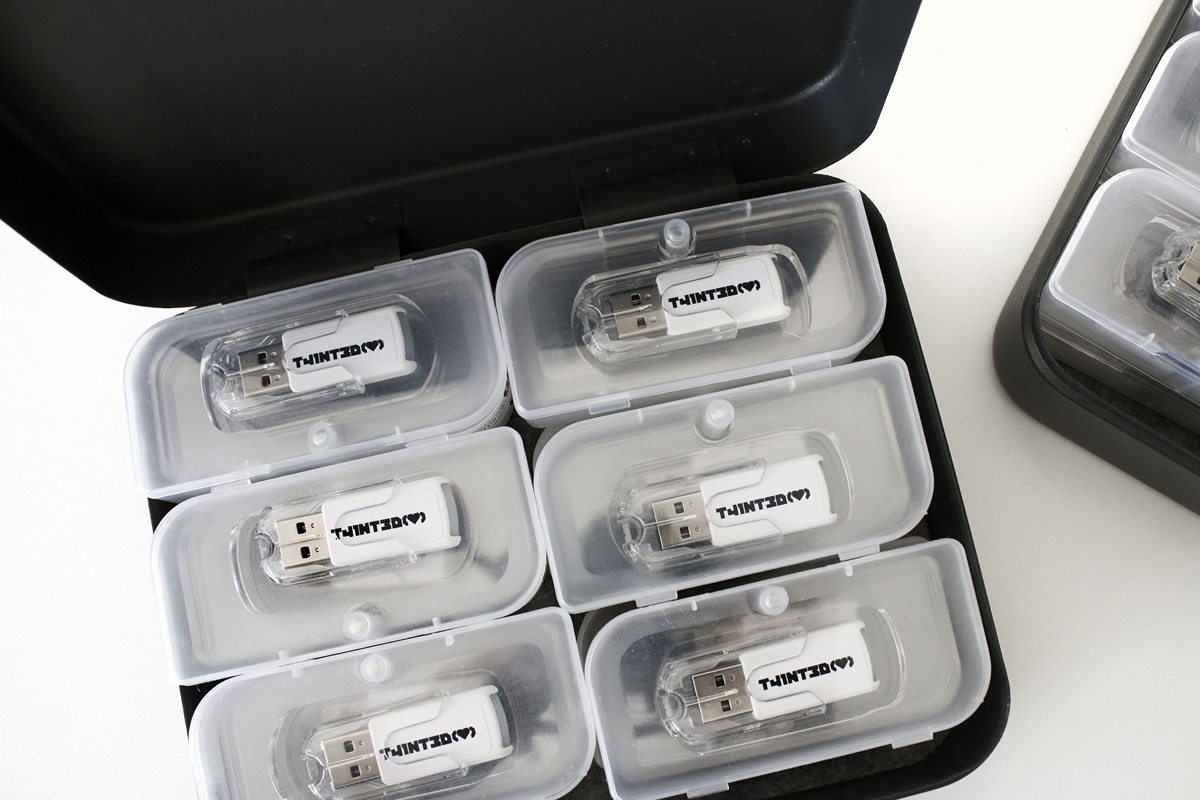
Launched in 2010, sunsetted in 2020, Channel TWo [CH2] was an award-winning Chicago-based art/design studio collaboration. CH2 operated as a speculative corporation, producing new media and critical playware, while incorporating luck, paradox, and tresspassing themes. We sought beauty in dystopian landscapes [media, software, interactive]—romance through computer viruses and malware; joy through collaborative landfills, adventures in security theater, and empowerment through open source abortions. CH2 was hyperprolific and every project involved a committment to studio mindset, reorientation, radical imagination, provocations, and for us steep DIY technology learning curves.
Our research was featured in exhibitions, performances, talks, commissions, and collaborations across museum, gallery, public spaces (onsite and online), community, and university contexts. Reviews of our projects were featured in Leonardo MIT Press Journals, Motherboard Vice, The Creators Project, The Intercept, The App Store. Select awards include SPACES R+D, Rhizome at the New Museum, Turbulence, NSF—(Westbrook, Co-PI).
Half of the CH2 collaboration disappeared completely in 2021, but Westbrook is happy to continue taking inquiries regarding the work and ideas.
Creative
Gogies
ongoing research
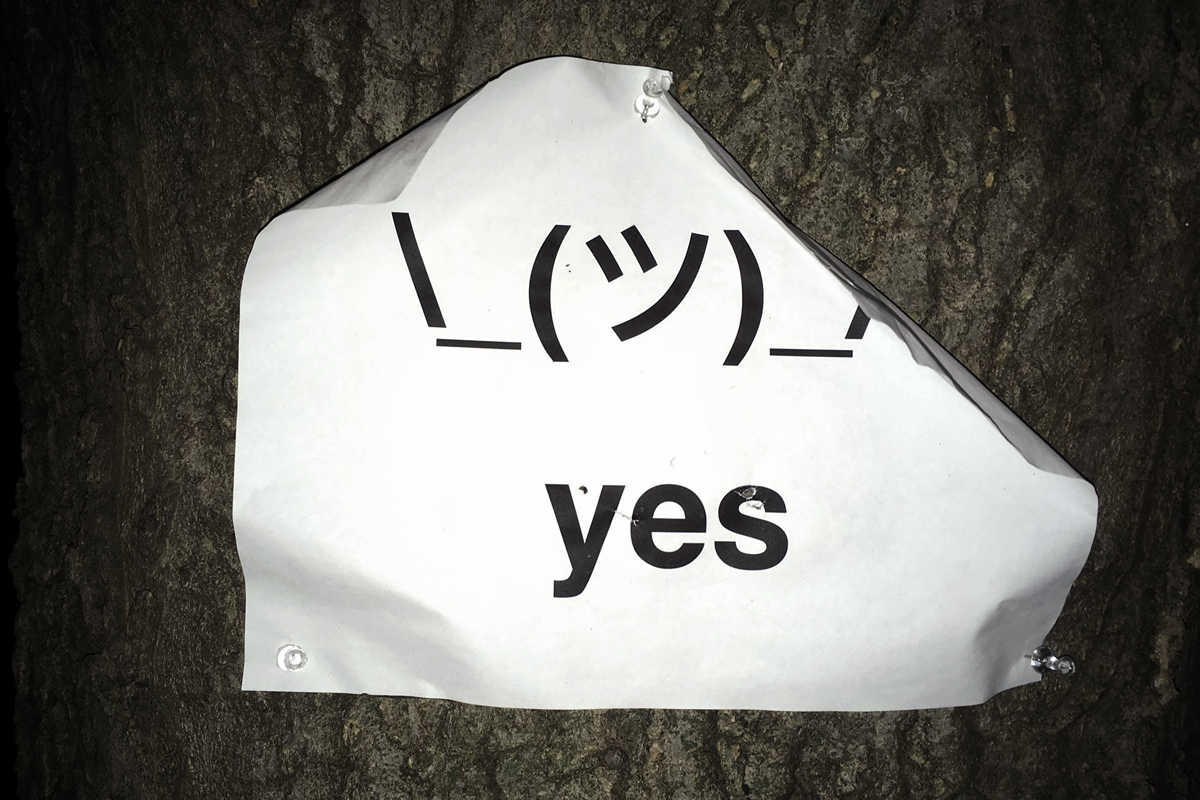
My educational philosophy is a living reflexive practice I use to inform and shape decisions. In all things educational, my primary objective is the design of experiences in which people can learn and thrive. My values include creativity, self-determined learning, progress theory, transdisciplinarity, courage by example, inclusivity, and critical technical practice. Valuing creativity means supporting individual curiosity, exploration, experimentation, and play. It also means anticipating and helping with the management of the mental and emotional uncertainty underpinning creative approaches and processes. My responsibilities include continuous engagement in the study of education and learning. I am an educator and an educational researcher.
Creative
Methods
ongoing research
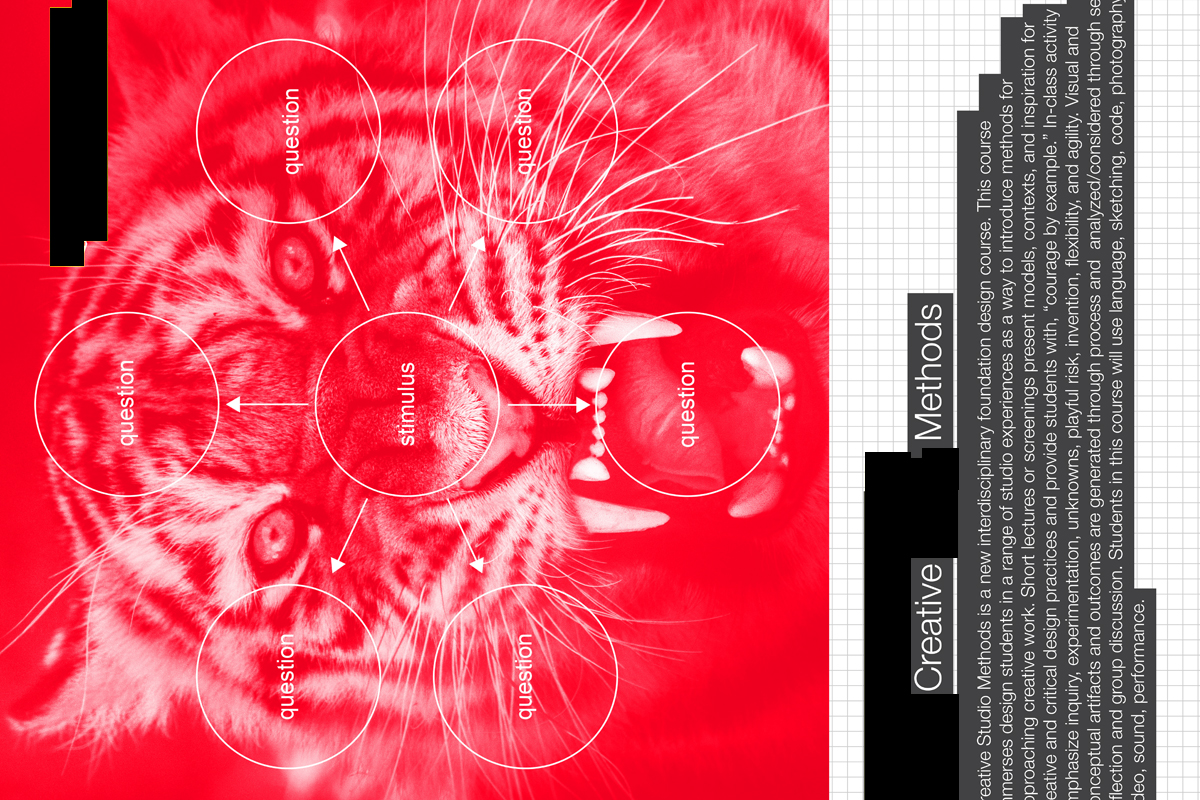
Creative methods is an ongoing collection of designed experiences and approaches for navigating the expectations and pressures of doing creative work. Some of the methods include: multimodal perception, individual brainstorming, passing brainstorming, free writing, observation, visual analysis, sketching, translating, walking, group brainstorming, affinity diagramming, collaboration / group work, play, iteration, knolling, inventory diagramming, ritual and routine, constraints, prototyping, storytelling, design fiction, alternative uses, journey mapping, wandering, speculation, thought experiments, field research, surprise.
A repository is in development. In addition this research considers methods of assessment.
Creative
Coding
ongoing research
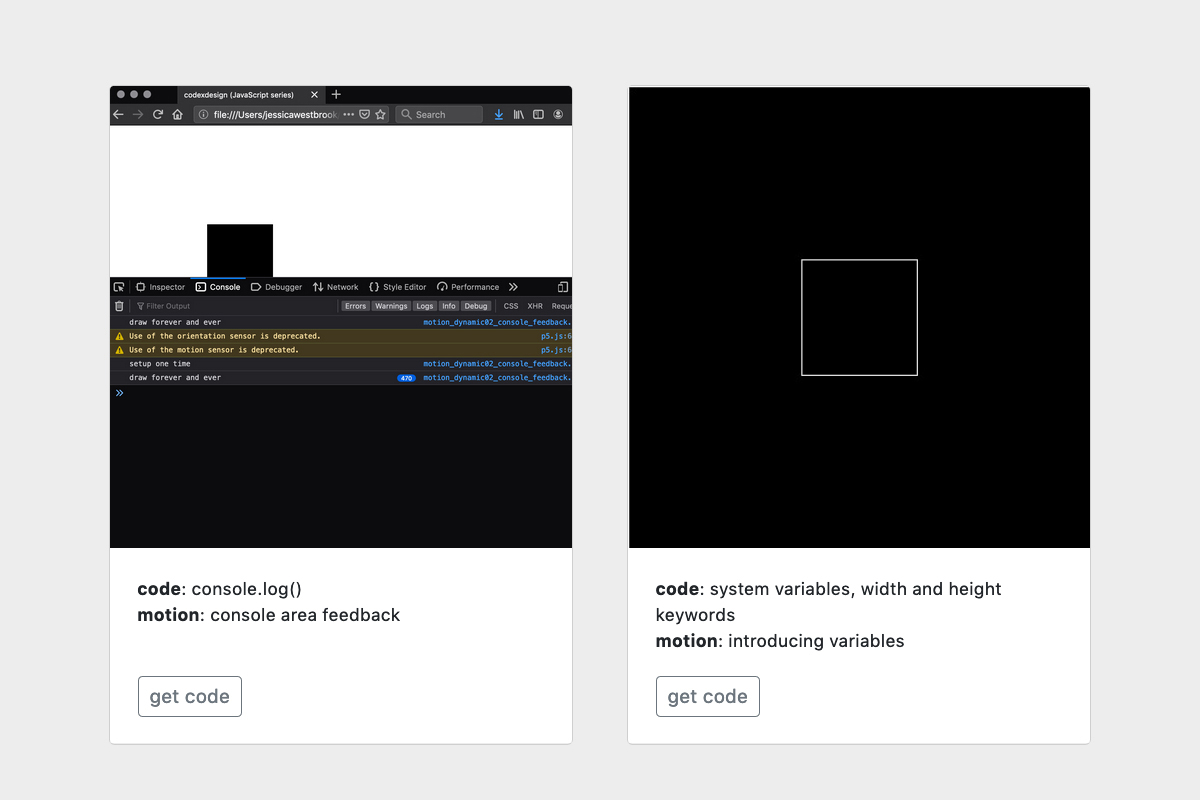
Creative coding research was an ongoing exploration of code and ways of learning. Code underlies contemporary life. Code is social and it is political. It is the material driving systems and experiences. It is software, data, networks, communications. Design shapes contemporary life. Design is social and it is political. It is the material enabling systems and experiences. It is software, data, networks, communications. Code and design, together, are powerful. Our mission is inclusion, literacy, and agency – for everybody. This work was initially funded by AIGA (2016) and has been presented/published in a number of forums including Mozilla Foundation's Teaching Responsible Computing Summit and listed in the Critical Coding Cookbook organized by Parsons Design and Technology.
Artificial Creativity
ongoing research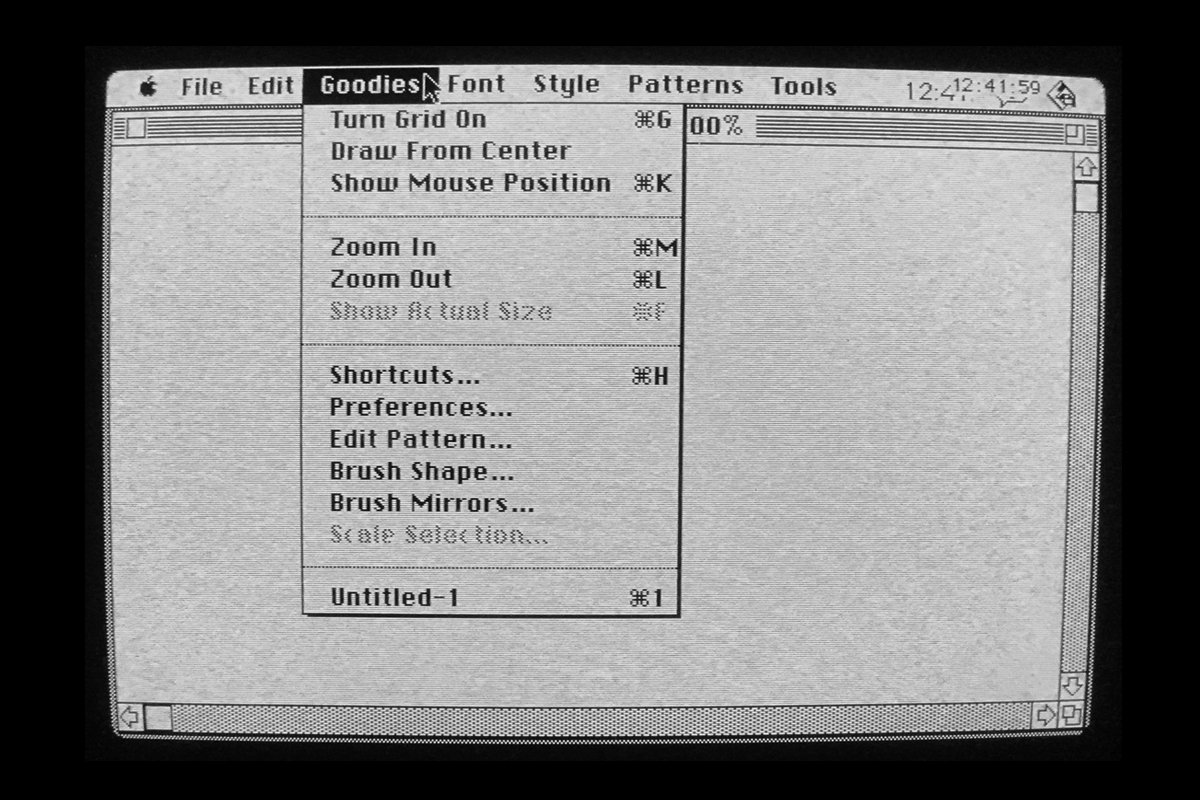
Artificial Creativity is an ongoing investigation and analysis of technology norms and emerging technology relationships. Tracing the software-capabilities of Adobe® Photoshop (2018) while in residence at the Media Archeology Lab at the University of Colorado Bolder was an excellent way to reflect on established norms, influences, and assumptions embedded in technology and interactions. There is an obvious appeal to investigating the evolution of Adobe® intelligence, the crash-log collections repurposed, the invasive monitoring performed through cloud computing, machine-learning practices enabled through crowd-sourcing, agency myths, and the very real potential to eliminate human from the loop when it comes to 'creative' practices.